

speak to an expert
Educational Consultation
Learn more about regenerative wellness research during a complimentary 30-minute educational consultation.
The call is free!
What do you have to lose?


Schedule Your Free Consultation
Take the first step towards your wellness journey.
Schedule your complimentary educational consultation with our regenerative wellness team.

Free 30-minute consultation
No obligation
Experienced regenerative wellness team
Consultations are informational and not medical evaluations.
Odin collaborates with independent, licensed medical professionals who evaluate eligibility for regenerative procedures. Odin itself does not perform or supervise medical treatments
Discover how regenerative
science supports
wellness and ongoing research.
Watch the video to find out more.

OUR MISSION
Hear From Our Team
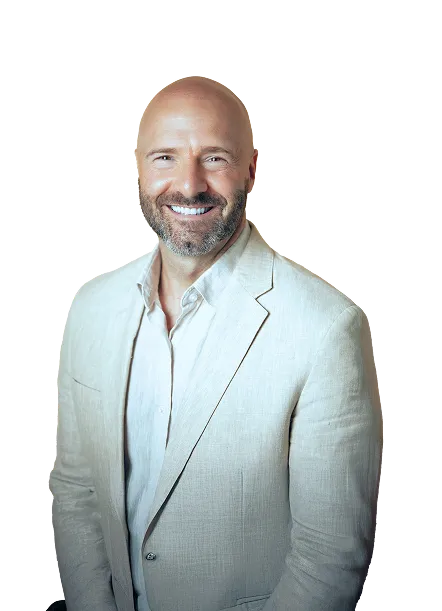
Dr. Chaas Gantt
Licensed Doctor of Acupuncture and Oriental Medicine
At Odin, we expand access to regenerative wellness options by connecting clients with skilled licensed providers and evidence-based educational resources.
Our mission is to make advanced cellular support approachable, transparent, and responsibly coordinated.

FAQ
Frequently Asked Questions
Frequently asked questions about stem cell therapy and our regenerative medicine services.
What are stem cells?
Stem cells are a type of cell that can develop into various specialized cell types in the body.
Scientists are studying how stem cells may support the body’s natural repair and recovery processes.
This field, known as regenerative medicine, is still largely investigational and subject to ongoing research.
How are umbilical cord–derived stem cells used in research and wellness settings?
Umbilical cord–derived mesenchymal stem cells (MSCs) are being studied in laboratories and clinical settings worldwide for their potential role in supporting cellular repair, immune balance and tissue recovery.
Odin’s partner providers use ethically sourced, fully screened materials under applicable regulations.
These uses are investigational and not approved by the FDA for the treatment or prevention of any disease.
What types of regenerative materials are discussed through Odin’s network?
Odin’s educational network focuses on umbilical cord–derived mesenchymal stem cells (MSCs) and exosome preparations used in research contexts.
All materials come from full-term, voluntary donations that undergo comprehensive donor screening and testing for infectious agents.
No embryonic or fetal tissue is ever used.
How long does it take to see results from stem cell therapy?
Responses to regenerative procedures vary widely, and there are no guaranteed outcomes.
Some research studies have reported differing timelines depending on the study population and the condition being explored.
Because Odin does not provide or perform medical treatment, any discussion of results should occur directly with a licensed provider.
Why does Odin use umbilical cord stem cells instead of bone marrow?
Umbilical cord–derived materials are collected from full-term donations, which means that no additional procedure is required.
They are young, healthy and readily available for research use, whereas bone marrow collection is an invasive procedure requiring donor extraction.
Both types are being investigated for their potential roles in regenerative research, not as approved medical therapies.
What areas of health are currently being researched in connection with stem cell therapy?
Researchers are studying regenerative medicine in a variety of contexts, including:
- Cellular aging and vitality
- Immune and inflammatory balance
- Neurological and metabolic health
- Musculoskeletal and joint function
- Cardiovascular & Circulatory Health
- Hormonal & Sexual Wellness
These studies are exploratory and not FDA-approved treatments. Results vary and remain under active scientific review.
Are the stem cells ethically sourced?
Yes. Odin only collaborates with providers that use regenerative materials derived from voluntary umbilical cord donations following live, healthy births.
Each donation undergoes rigorous screening, testing and documentation to ensure quality, transparency and ethical compliance.
How do mesenchymal stem cells function in scientific studies?
In laboratory settings, mesenchymal stem cells (MSCs) have been observed to release signaling molecules that may support immune regulation and cellular communication.
These findings are preliminary and form part of the ongoing scientific exploration into how cells interact within the body’s repair systems.